
A nanny spends more waking hours with a young child than either parent does. She, or occasionally he, shapes the child's language, manners, sleep and temper, sees the family at its least composed and knows where everything is kept. No other hire in a family's life carries the same weight, and no other hire is so often made on a single cheerful interview.
What you are hiring
Decide before you advertise. A live-in nanny for a baby with two working parents and a lot of travel is a different job from a live-out nanny for two schoolchildren with a mother at home. Write the job down: the hours, the travel, the driving, the cooking, the other staff, the languages, whether the nanny comes on holiday, what happens at weekends. The families who skip this step hire a wonderful person for the wrong job and lose her in a year.
What it costs
A qualified live-out nanny costs 45,000 to 70,000 pounds gross in London, 80,000 to 110,000 francs in Zurich and Geneva, 45,000 to 65,000 euros in Munich and Hamburg, 28,000 to 45,000 euros in Marbella and Mallorca, and considerably more in Dubai and New York. Norland-trained, bilingual, travelling and maternity nannies cost more. Employer contributions add 12 to 42 percent depending on the country, and agencies charge a fee of 15 to 25 percent of the first year. The Household Staff Budget has the ranges and the on-costs for seven countries.
The interview
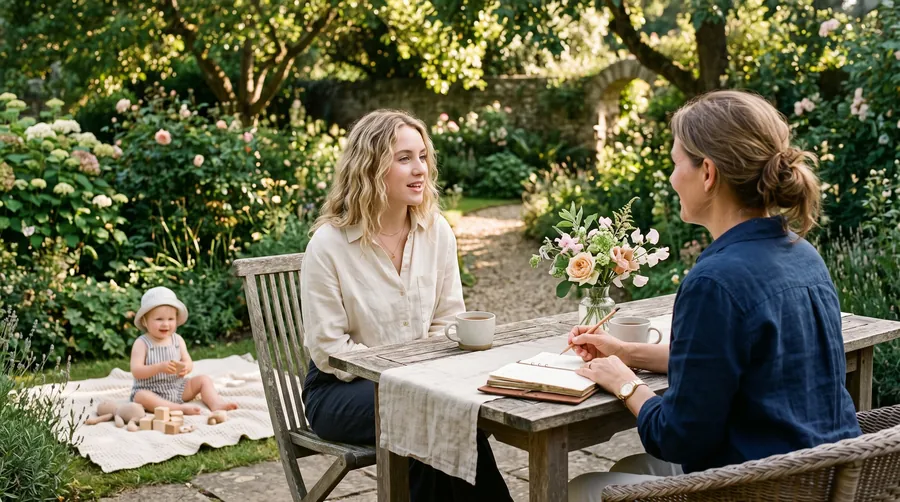
Two interviews, not one. The first with the parents, an hour, at the kitchen table, about the candidate's last three jobs: why each began and why each ended. The second with the children present, two hours, watching. Does she get down on the floor? Does she ask the child's name and use it? Does she look at the child or at you? Ask about a bad day with a previous family and how she handled it; a candidate who has never had a bad day is not telling the truth. Ask about discipline, sleep, screens and food, and listen for a philosophy rather than compliance with yours.
The references
Telephone them. All of them. Ask the last family why the nanny left and whether they would hire her again, and listen to the pause. Ask about punctuality, honesty, driving, phone use and how she was with the other staff. A reference that will only confirm dates is a warning. Check the qualifications, the driving licence, the first-aid certificate and the criminal record check, in every country the nanny has worked.
The trial
A paid trial of two weeks, living the real job, before the contract is signed. Most bad hires reveal themselves in a fortnight: the phone, the lateness, the child who is quieter than before. Most good hires reveal themselves too, and the family that skips the trial to save two weeks loses six months.
The contract
Written, in the language of the country, drawn up by a lawyer or the agency, and signed before the first day. Hours, overtime, holiday, sick pay, travel, accommodation if live-in, the car, the notice period, confidentiality, social media, and what happens when the family moves country. Pay gross, through payroll, with the contributions. Families who pay cash lose the nanny to a family that does not, and lose in court when it goes wrong.
Keeping her
Good nannies stay for years with families that treat them as professionals: a written review every year, a pay rise that tracks the market, holidays that are actually holidays, a room of her own if she lives in, her own space when she travels with you, and a family that does not ask her to do the housekeeper's job. The nanny who leaves after a year rarely leaves for money. She leaves because nobody said thank you.