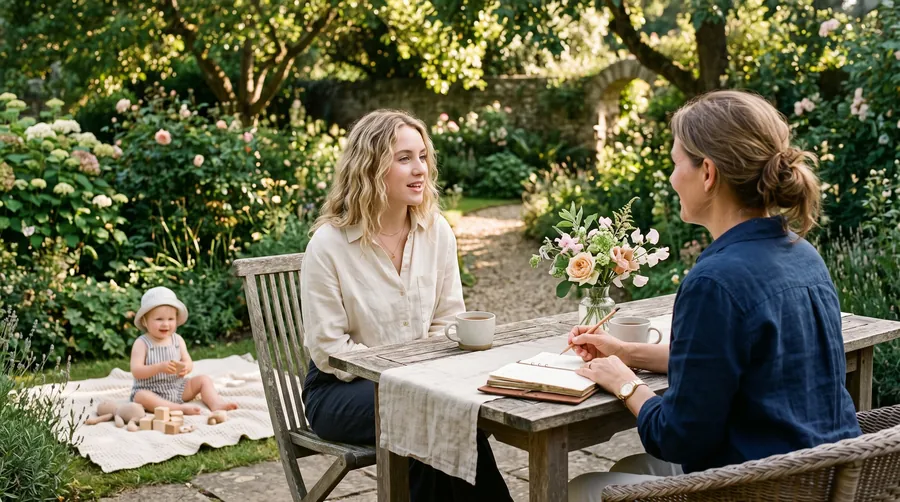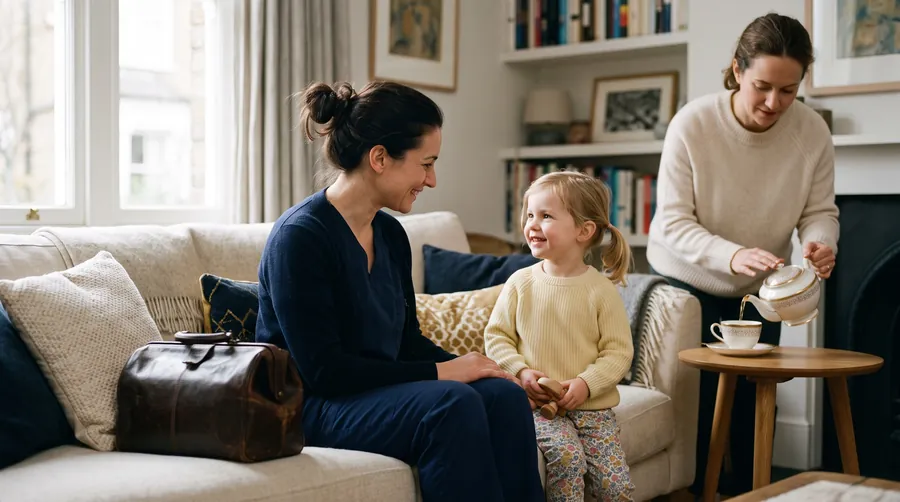

Concierge medicine, membership medicine, private family practice: the names differ, the model is the same. A doctor limits the practice to a few hundred patients rather than a few thousand, charges an annual fee for the privilege, and in return offers same-day appointments, home visits, direct phone and message access, longer consultations and the coordination of everything else. For families with several children, a nanny, two homes and a lot of travel, it removes the one thing money usually cannot buy in medicine: a doctor who knows the whole family and picks up the phone.
What it costs
In London, private paediatric memberships run from 3,000 to 8,000 pounds a year per child, with family rates; the top practices in Chelsea and Marylebone charge more. In Zurich and Geneva, 4,000 to 12,000 francs. In Munich, Hamburg and Düsseldorf, 3,000 to 8,000 euros; Germany's private health system means that many families get most of the benefit from a good Privatpraxis without a membership. In Marbella and Mallorca, 2,500 to 6,000 euros, often through the international clinics. In New York, 10,000 to 40,000 dollars, and the consultations themselves are billed on top.
What it buys
- Access. An appointment today, a home visit tonight, a phone number that works from the villa in August.
- Time. Forty-minute consultations rather than eight-minute ones. A doctor who has read the notes before you arrive.
- Coordination. One doctor who books the orthopaedist, reads the report, calls the school nurse and keeps the vaccination record for all three children.
- Travel medicine. Vaccinations, malaria advice and a doctor who knows the clinic in the Maldives before you need it.
- Continuity. The same doctor from birth to eighteen, who notices the change in a quiet child.
What it does not buy
Better outcomes for serious illness. A child with leukaemia or a broken femur is treated by the same specialists and the same hospitals whether the family pays a membership or not; the membership gets you to them faster and explains what they said. Nor does it buy a doctor who agrees with you. The good concierge paediatricians say no to unnecessary antibiotics, unnecessary scans and unnecessary supplements exactly as their colleagues do, and the families who value them most are the ones who wanted a doctor, not a service.
How to choose
Ask three families you trust. Meet the doctor before you sign; you will be talking to this person at two in the morning. Ask who covers when they are away, how many patients they take, whether they visit at home and whether they will coordinate with the school. Ask how they feel about vaccination, sleep and screens; you want answers, not a menu. And ask what happens in an emergency: the answer should be the name of a hospital and a plan, not the membership brochure.
The plan behind the doctor
A concierge paediatrician is only as useful as the plan you agree together: which check-ups at which age, when the eyes and teeth are tested, when the sports medical falls, who talks to the teenager alone. Our Family Health Planner lays the plan out by child and age so the first conversation with the new doctor is about the children rather than the calendar.